How Dental Implants Prevent Bone Loss
Happy Valley, OR
Dental implants are widely regarded as the most advanced solution for replacing missing teeth, not only because they restore chewing function and appearance, but also because they help preserve the jawbone. One of the most important benefits of implants is their ability to prevent bone loss, a natural but undesirable consequence of tooth loss.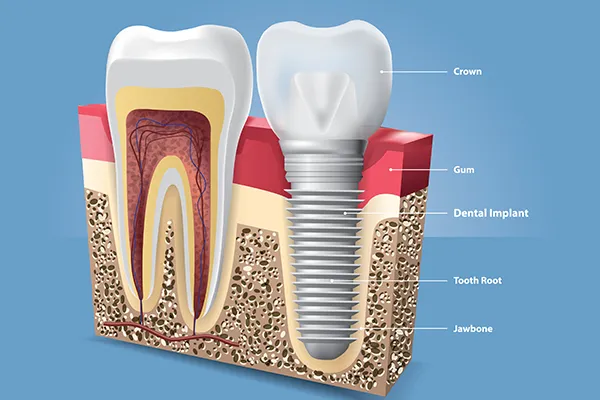
At Fusion Dental Specialists in Happy Valley, OR, patients are often surprised to learn that missing teeth affect far more than just their smile. Beneath the surface, the jawbone begins to change immediately after a tooth is lost. Dental implants are uniquely designed to stop this process by replacing the missing tooth root and restoring the stimulation the bone needs to stay healthy.
Understanding how implants prevent bone loss begins with understanding why bone loss happens in the first place and how the body responds when a tooth is no longer present.
Why Bone Loss Happens After Tooth Loss
The jawbone is a living tissue that depends on constant stimulation to maintain its strength and volume. Natural tooth roots play a key role in providing this stimulation through everyday activities such as chewing and biting.
When a tooth is lost, the bone in that area no longer receives stimulation. As a result, the body begins a process called bone resorption, where it breaks down and absorbs the unused bone tissue. This is the body’s natural way of conserving resources, but it has significant consequences for oral health.
Over time, bone resorption can lead to changes in facial structure, shifting teeth, and reduced support for remaining teeth. Even a single missing tooth can trigger measurable bone changes within months, making timely replacement essential.
How Dental Implants Stimulate the Jawbone
Dental implants are the only tooth replacement option that directly replaces the root of a missing tooth. This is the key reason they are so effective at preventing bone loss.
A dental implant is a titanium post surgically placed into the jawbone. Once inserted, it integrates with the surrounding bone through a biological process called osseointegration. During this process, bone cells grow around the implant, anchoring it securely in place.
Because the implant behaves like a natural tooth root, it restores the stimulation needed to keep the bone active. Every time a patient chews, pressure is transferred through the implant into the jawbone, signaling the body to maintain bone density.
This ongoing stimulation helps preserve bone volume and prevents the shrinkage that typically occurs after tooth loss.
Comparing Dental Implants to Other Tooth Replacement Options
Not all tooth replacement methods provide the same protection against bone loss. While bridges and dentures restore appearance and function, they do not replace the tooth root or stimulate the jawbone in the same way.
| • |
Dental Implants - Replace both the tooth root and crown, providing direct stimulation that prevents bone resorption.
|
| • |
Dental Bridges - Replace the visible tooth but rely on adjacent teeth for support, leaving the underlying bone unstimulated.
|
| • |
Traditional Dentures - Rest on the gums without engaging the bone, often leading to gradual bone shrinkage over time.
|
| • |
Implant-Supported Dentures - Offer improved stability and partial bone stimulation but not as much as individual implants.
|
| • |
No Replacement - Results in continuous bone loss and progressive changes in facial structure. |
This comparison highlights why dental implants are considered the gold standard for long-term bone preservation.
The Timeline of Bone Loss After Tooth Extraction
Bone loss does not happen all at once. Instead, it occurs gradually following tooth extraction or loss.
In the first few weeks, the body begins healing the empty socket. However, without a tooth root to stimulate the area, bone remodeling shifts toward resorption. Within the first three to six months, noticeable bone reduction can begin.
Over the course of one year, the width and height of the jawbone can decrease significantly. This early stage is critical because it often determines whether future implant placement will require additional procedures such as bone grafting.
If left unaddressed for several years, bone loss can become severe enough to alter facial appearance and complicate restorative treatment options.
Long-Term Benefits of Preventing Bone Loss
Preserving jawbone structure has benefits that extend beyond oral health. One of the most noticeable effects is the maintenance of facial aesthetics. The jawbone provides support for the cheeks and lips, and its deterioration can lead to a sunken or aged appearance.
Maintaining bone density also helps preserve the alignment of remaining teeth. When bone is lost, neighboring teeth may shift into empty spaces, creating bite misalignment and increasing the risk of further dental issues.
In addition, strong bone structure supports long-term oral function. Patients with healthy bone are better able to chew, speak, and maintain stable dental restorations over time.
Dental implants provide a foundation that supports all of these long-term benefits by keeping the jawbone active and healthy.
Who Is a Good Candidate for Bone-Preserving Dental Implants
Most patients who are missing one or more teeth may be candidates for dental implants, but certain conditions influence treatment planning and success.
| • |
Adequate Bone Density - Sufficient bone is needed to support implant placement, though bone grafting can often restore lost volume.
|
| • |
Healthy Gums - Gum health is essential for successful healing and long-term implant stability.
|
| • |
Good Overall Health - Conditions such as uncontrolled diabetes may affect healing and require careful management.
|
| • |
Non-Smoking Status - Smoking can reduce blood flow and negatively impact bone integration.
|
| • |
Commitment to Oral Hygiene - Proper daily care is necessary to maintain both implants and surrounding bone. |
Even patients with some bone loss may still be candidates for implants with the help of modern regenerative techniques.
Maintaining Bone Health After Implant Placement
Once dental implants are placed, proper maintenance is essential to ensure long-term success and continued bone preservation.
Daily oral hygiene plays a major role in preventing plaque buildup around the implant. Brushing, flossing, and using recommended cleaning tools help maintain healthy gums, which are essential for supporting the underlying bone.
Regular dental visits allow for monitoring of both the implant and surrounding bone structure. Professional cleanings help remove hardened plaque that cannot be eliminated at home.
Lifestyle factors also play an important role. A balanced diet rich in calcium and vitamin D supports bone health, while avoiding tobacco products helps maintain proper blood flow and healing capacity.
With consistent care, dental implants can help preserve bone structure for many years.
The Connection Between Bone Health and Overall Oral Stability
Bone health is the foundation of a stable and functional smile. When the jawbone is strong, it provides support not only for implants but also for surrounding natural teeth.
Without adequate bone, the entire dental structure becomes more vulnerable to shifting, wear, and eventual tooth loss. This is why preventing bone loss is such a critical part of long-term oral health.
Dental implants serve as a proactive solution, addressing the root cause of bone deterioration rather than simply replacing the visible tooth.
FAQs
How do dental implants prevent bone loss?
Dental implants prevent bone loss by replacing the tooth root and stimulating the jawbone through chewing forces. This stimulation signals the body to maintain bone density instead of resorbing it.
How quickly does bone loss begin after tooth loss?
Bone loss can begin within weeks after tooth loss and becomes more noticeable over the first three to six months if the area is not restored with a replacement such as a dental implant.
Can dental implants restore lost bone?
Dental implants do not regrow lost bone, but they help preserve existing bone and prevent further deterioration. In cases of significant bone loss, bone grafting may be required before implant placement.
Are implants better than dentures for bone preservation?
Yes, dental implants are more effective than dentures for preventing bone loss because they stimulate the jawbone. Dentures rest on the gums and do not provide the same biological stimulation needed to maintain bone density. |