Am I a Candidate for Dental Implants?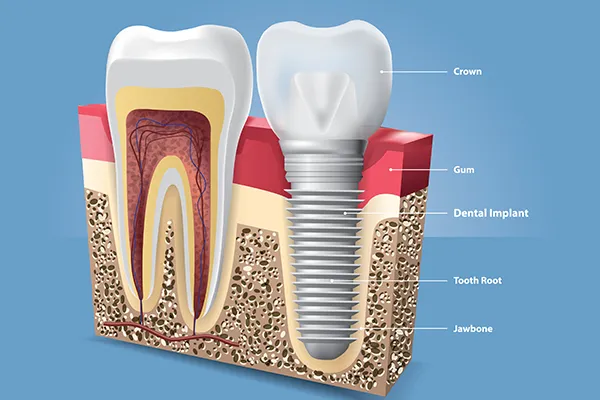
If you are missing one or more teeth and looking for a long-term solution, you may be wondering, am I a candidate for dental implants? Dental implants are widely regarded as one of the most reliable and natural-looking options for replacing missing teeth. At Fusion Dental Specialists, patients in Estacada, OR can explore whether this advanced treatment is right for their specific needs.
Dental implants are designed to restore both function and appearance by replacing the entire tooth structure, including the root. However, not everyone is automatically a candidate. Several factors determine eligibility, including oral health, bone density, and overall medical condition.
What Makes Someone a Good Candidate for Dental Implants?
A good candidate for dental implants is someone who has the foundational oral and overall health needed to support the implant process. Since implants involve placing a titanium post into the jawbone, your body must be able to heal properly and integrate the implant successfully.
Several key factors influence candidacy:
| • |
Healthy gums - Gum tissue should be free of periodontal disease to support healing and stability.
|
| • |
Adequate jawbone density - Sufficient bone is needed to anchor the implant securely.
|
| • |
Good overall health - Conditions that affect healing may impact implant success.
|
| • |
Commitment to oral hygiene - Proper care is essential for long-term success. |
Even if you do not meet all of these criteria initially, there may be preparatory treatments available to help you become eligible.
Why Jawbone Density Matters
One of the most important considerations for dental implant candidacy is the condition of your jawbone. When a tooth is lost, the bone in that area begins to shrink over time due to lack of stimulation.
Dental implants rely on a process called osseointegration, where the implant fuses with the jawbone. Without enough bone, the implant may not have the stability it needs.
In cases where bone loss has already occurred, procedures such as bone grafting may be recommended to rebuild the jawbone and create a strong foundation for implants. This means that even patients who were previously told they are not candidates may still have options.
Age and Dental Implants
Many patients ask whether age affects eligibility for dental implants. The good news is that there is no upper age limit for implant treatment. Older adults can successfully receive implants as long as they are in good health.
However, younger patients whose jawbones are still developing may need to wait until growth is complete before undergoing implant placement. This ensures the implant remains properly aligned over time.
| • |
No maximum age limit - Older adults can benefit from implants with proper health.
|
| • |
Jaw development matters - Younger patients may need to wait until growth is complete.
|
| • |
Health over age - Overall condition is more important than age alone. |
Ultimately, candidacy is determined by health and anatomy rather than age.
Medical Conditions That May Affect Eligibility
Certain health conditions can influence whether dental implants are the right choice. Conditions that affect healing or increase the risk of infection may require additional evaluation or management before proceeding.
Some considerations include:
| • |
Diabetes - Must be well-controlled to support healing.
|
| • |
Autoimmune disorders - May affect the body’s ability to heal properly.
|
| • |
Smoking - Can interfere with healing and increase the risk of implant failure.
|
| • |
Medications - Certain drugs may impact bone health or healing response. |
Having one of these conditions does not automatically disqualify you, but it does mean your dental team will take extra care in planning your treatment.
The Role of Oral Health in Implant Success
Your current oral health plays a major role in determining whether you are a candidate for dental implants. Issues like gum disease or untreated decay must be addressed before implant placement.
Healthy gums provide the support needed to hold the implant in place, while a clean oral environment reduces the risk of infection during healing.
Patients are often advised to undergo preliminary treatments such as deep cleanings or periodontal therapy to improve oral health before moving forward with implants. This step significantly increases the chances of long-term success.
Lifestyle Factors to Consider
Your daily habits can also influence your eligibility for dental implants. Lifestyle choices that impact healing and oral health may need to be adjusted before treatment.
| • |
Smoking habits - Tobacco use can slow healing and reduce success rates.
|
| • |
Oral hygiene routine - Consistent brushing and flossing are essential.
|
| • |
Diet and nutrition - A balanced diet supports healing and bone health.
|
| • |
Regular dental visits - Ongoing care helps maintain implant health. |
Making small changes in these areas can significantly improve your candidacy and overall outcome.
Options if You Are Not Immediately a Candidate
If you have been told you are not currently a candidate for dental implants, that does not mean implants are off the table permanently. Modern dentistry offers several solutions to help prepare patients for successful implant placement.
| • |
Bone grafting - Rebuilds lost jawbone to support implants.
|
| • |
Gum disease treatment - Restores gum health before implant placement.
|
| • |
Sinus lifts - Adds bone to the upper jaw when needed.
|
| • |
Lifestyle adjustments - Improves healing and treatment success. |
These preparatory steps can open the door to implant treatment for many patients who were previously ineligible.
What to Expect During a Dental Implant Consultation
The best way to determine if you are a candidate for dental implants is through a comprehensive evaluation. At Fusion Dental Specialists, this process involves a detailed assessment of your oral health, medical history, and treatment goals.
Your dental team may use digital imaging or X-rays to evaluate bone density and structure. They will also discuss your expectations and any concerns you may have about the procedure.
This personalized approach ensures that every patient receives a treatment plan tailored to their unique needs. Whether you are ready for implants now or need preparatory care, the consultation is the first step toward restoring your smile.
FAQs
Can smokers get dental implants?
Smokers can still be candidates for dental implants, but smoking increases the risk of complications and implant failure. Many patients are advised to reduce or quit smoking before and after the procedure to improve success rates.
Is bone grafting always required before dental implants?
Bone grafting is only necessary if there is insufficient jawbone to support the implant. Some patients have enough natural bone and can proceed directly with implant placement.
How do I know if I have enough bone for dental implants?
A dental exam with imaging, such as X-rays or 3D scans, is needed to determine bone density and volume. Your dental team will evaluate these results to decide if implants are a suitable option.
How long does the dental implant process take?
The dental implant process can take several months from start to finish. This includes healing time after implant placement to allow the implant to integrate with the jawbone before the final restoration is attached. |